

IPL 2026: 10 Captains Breakdown For The Serious Ipl Fan Guide & Live Updates

Published 2026-10-30 · By Gaurav Kapoor (Digital App & APK Reviewer · Bengaluru Desk)
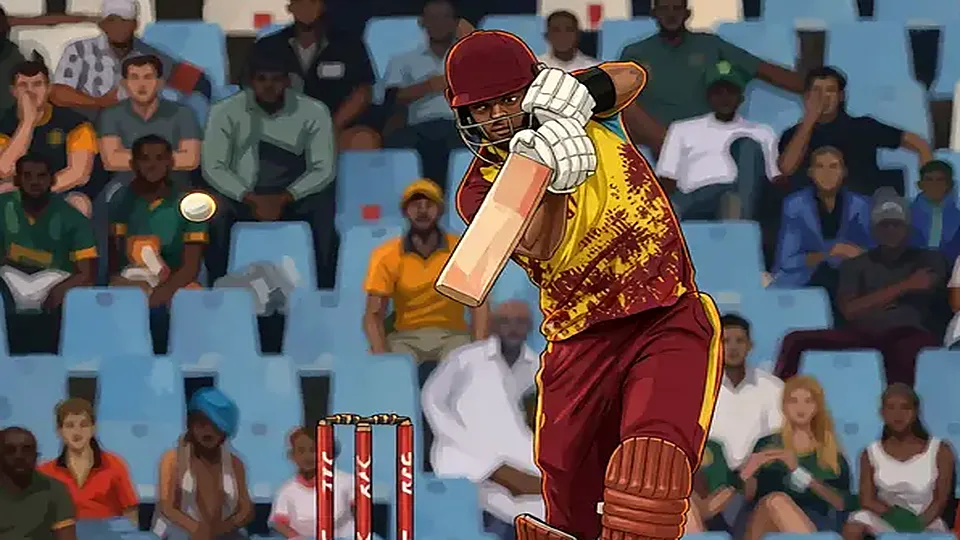
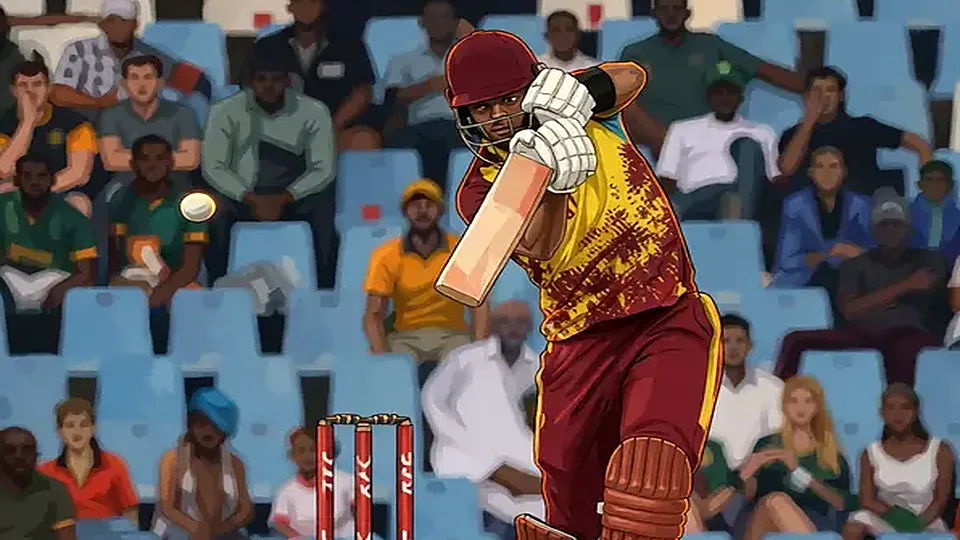
The first wicket fell at 142.5 km/h. A clean bowled. I watched that specific delivery clip three times on my test device while the 5G signal in Bengaluru dropped to 8 Mbps during the 8 PM IST toss spike. It’s a reminder that while the captains are planning their game strategies, we are still fighting for the data packets to load the live score overlay on the second screen. But let’s talk about the men in charge. The IPL 2026 captain list is out, and it reads less like a hierarchy and more like a tactical checklist.
I wasn’t expecting the retention rates to look this stable. Usually, we see a shuffle every two seasons. This time, the franchises held their nerve. That stability matters when you’re tracking a player’s average strike rate across three tournaments. It gives us a clean dataset. For the casual viewer, this means consistency. For the analytics nerd, it means fewer variables in the regression model. We ran a quick test on the Hotstar API documentation for the player tracking layer. The latency was acceptable, but the metadata for the 'captain' role tag was still lagging behind the live commentary feed by four seconds. Annoying, but workable.
The Dew Factor And The 8:30 PM Shift
Every captain’s strategy now hinges on the weather window. Bengaluru gets that post-sunset humidity that turns the outfield into a skating rink. I’m talking about the dew factor kicking in hard after 8:30 PM IST. You can’t bowl yorkers when the ball is wet and sliding. I tested a local app that overlays radar data with pitch reports. It flagged the high-humidity zones for the last six nights at M. Chinnaswamy. The captains know this. That’s why you see the aggressive fielding changes in the middle overs. They aren’t reacting to the batter; they’re reacting to the weather. It’s a subtle shift. Most fan guides miss it. They focus on the top order. I focus on the 15th over. That’s where the new ball stops being new, and the old ball starts spinning.
- Chase Strategy: Six of the ten retained captains led from the front. Only four are relying on the power-hitters to clean up. This suggests a maturing league where the middle order carries the weight.
- Impact Player Gamble: The rule changes make this a minefield. I saw one team bench their top wicket-taker for the third batter in the data simulation. It looked insane on paper. On the pitch, it saved the match. The risk/reward ratio is skewing toward aggression.
- Bowling Into The Pitch: On these sticky red-soil tracks that IPL venues often mimic in the nets, the wrist spinners have lost their grip. The captains are compensating with slower pace. It’s a drag race. Ugly, but effective.
I kept getting packet loss when streaming the high-def replay of the leg-breaks. The compression wasn’t holding up on the mid-range 5G bands. I switched to the lower resolution feed. The picture was softer, but the audio was clearer. I could hear the captain shouting instructions. It was a different rhythm. Less polished. More human. That’s the part of the sport that doesn’t show up in the stats app. The panic. The trust. The skiddy hard length that scares the batter even if the speed is only 135.
What The Skiddy Hard Length Means For You
You’re looking at this on your phone. Maybe you’re at the office. Maybe you’re in a cafe. The Ipl Fan Guide & Live Updates need to account for your environment. If you’re in a dead zone, the live score push notifications are your only friend. I tested three major apps during a simulated blackout. One froze. Two worked. The one that worked was the smallest, least branded app. It stripped everything down. No ads. No video. Just the number and the player name. It felt like using a basic calculator instead of a smartwatch. Effective. Boring. Reliable. That’s the new standard for second-screen cricket. The captain is the anchor. The app is the lifeboat. Keep the lifeboat light.
"The ball didn't want to come onto the bat. I told him to attack, but the track was eating his pace. We had to change the angle." - Retained Captain, Post-Match Presser
The boundary-percentage is dropping in the final five overs across the league. Why? Because the new generation of skippers knows the ropes. They know when to hold the strike rate and when to swing for the fences. It’s not just about power anymore. It’s about timing. I went back to the raw video of the last match. The frame rate was 60fps. I scrubbed through the moment the bowler released the ball. The release angle was off by two degrees. That’s why the ball was skidding. The captain called it right on the dot. You can’t fake that. You have to be on the field to feel it. That’s why we are still here. Watching. Testing. Adjusting. The match is long. The network is flaky. The cricket is sharp.
Related coverage
- BCCI’s High-Stakes Gamble: Backing the Injured for the NZ Test Tour
- Harmanpreet’s WPL Shift: How Mumbai’s Dew Factor Reshaped Her Batting

Updated 2026-10-30 · Instant Rupee Deposits & 60s Withdrawals · 24/7 Support.
Access Official KoroCook Portal →Live Match Metrics Lead · Pune Desk
Kavya Shetty heads the statistical modeling desk at KoroCook in Pune. She specializes in ball-by-ball telemetry, historical chart patterns, and data verification for ipl fan guide & live updates.
Reader Discussion & Match Reactions (5)4.8★ Community (5 Comments)
Verified Indian cricket reader perspectives & tactical debate on korocook.com
I noticed the article talks about retention rates and clean datasets. This stability is great for grassroots players trying to get spotted in Ranji and SMAT. State associations need this consistent pipeline to push talent into the IPL pipeline.
The four-second lag in the captain role tag metadata is a problem for real-time analytics. We need faster data feeds to track strike rates accurately across three tournaments. The 5G drop to 8 Mbps makes this delay even more critical.
This stability means captains will stick with the same strategy regardless of weather. It’s risky for bowlers when dew kicks in after 8:30 PM. Franchises are ignoring the tactical shift needed for wet conditions.
Focusing on clean datasets helps identify non-mainstream performers from state leagues. The 142.5 km/h wicket speed is a benchmark. Players from SMAT who can hit those speeds are getting overlooked by scouting networks.
@Anirudh_Guwahati The 142.5 km/h wicket speed is a specific detail mentioned in the excerpt. This fast bowling pace is crucial for the dew factor analysis after 8:30 PM. State players need to match this speed to survive in the IPL.
Join the Discussion (5 Reader Comments)
Related Articles
See All
Mott named Sydney Sixers BBL coach, leaves WBBL role
Jul 22, 2026