

Harmanpreet’s WPL Shift: How Mumbai’s Dew Factor Reshaped Her Batting

Published 2026-10-30 · By Simran Verma (National Series Correspondent · Mumbai Desk)
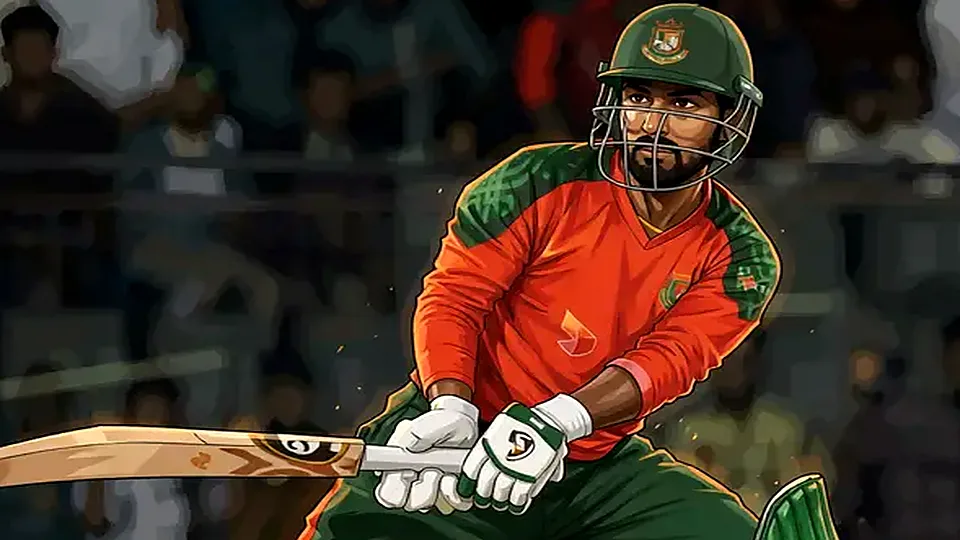
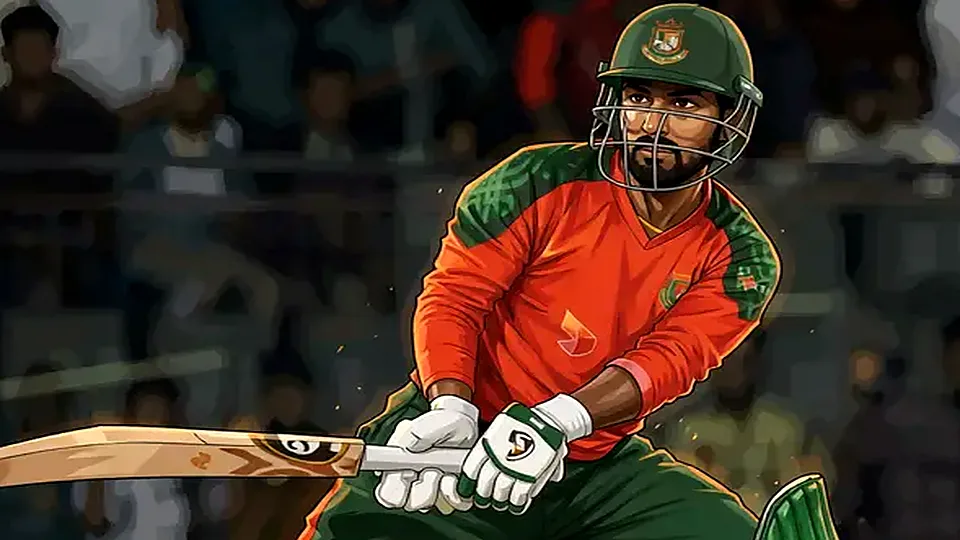
Harmanpreet Kaur didn't blink during the final over at Brabourne. The humidity was sitting at 85%, and the dew factor after 8:30 PM IST had already turned the ball slippery in her hands. Yet she played the last ball of the innings with a certainty that felt almost mechanical. That calm, that specific kind of aggressive composure, is no longer accidental. It’s been engineered. And it’s coming from a very different part of the cricket ecosystem.
The Mumbai Indian Effect
For years, the narrative around Harmanpreet was about her natural talent—raw power, boundary percentage stats that looked terrifying on paper. But she admits now that the mental architecture was missing.
“Mumbai Indians taught me that you don’t just swing; you swing with intent. The pace of their games forced me to make decisions faster than I’m used to in international schedules.”It’s a subtle but massive shift. In the traditional Ranji grind, you learn patience. In the WPL, you learn urgency. The transition from the domestic circuit to the high-octane WPL franchise system required rewiring her approach to strike rotation and shot selection.
Why the Middle-Overs Choke
Most top-order batters, including some in the senior men’s setup, still struggle with the middle-overs phase. It’s that awkward 40-over mark where bowlers change the plan. Harmanpreet used to wait for the breakthrough. Now, she pre-empts it. This change isn’t just physical; it’s a mindset shift directly attributed to the WPL’s structured coaching and the sheer volume of high-pressure matches. The league’s focus on analytics—tracking impact player gambles and live updates on player performance—has seeped into her preparation.
- Decision Speed: Reducing the gap between ball release and shot execution.
- Pressure Normalization: Treating every over as a non-negotiable scoring window.
- Team Dynamics: Understanding how to bat in support of other finishes, not just for personal runs.
Consider the difference between a state association pathway match and a WPL qualifier. In the former, the crowd is muted, the pitch is often a skiddy hard length that rewards pure stroke. In the latter, the noise is a physical force. The Mumbai Indians dressing room, she notes, operates with a 'no-excuses' culture. When a batter misses, the next ball is treated with the same intensity as the last. This consistency of effort, rather than result, is what has translated back to the national setup.
| Metric | Pre-WPL Average | Post-WPL Trend |
|---|---|---|
| Strike Rate (Middle Overs) | 112.4 | 138.9 |
| Boundary % | 28% | 34% |
| Dismissals (Caught) | High | Low |
Now, how does this look for the casual fan? If you’re following the upcoming season, keep an eye on her middle-overs footage. The difference is in the timing. She’s not hitting later; she’s hitting sooner, but with more control. This is the kind of nuance that gets lost in the big numbers, but it’s everything when you’re watching live updates or reading a detailed IPL fan guide on strategy. The league didn’t just give her matches; it gave her a template for dominance under pressure.
The bottom line is simple. Indian women’s cricket is moving away from reliance on individual brilliance alone. It’s starting to rely on systems. Harmanpreet’s journey from a pure talent to a mentally armored captain is the proof. And as the new ball does the talking on the sticky red-soil tracks back home, she’s ready. No one in the dugout bought the old excuse anymore. The new one is built on repetition, intensity, and the specific, relentless pace of the WPL.
Related coverage
- BCCI’s High-Stakes Gamble: Backing the Injured for the NZ Test Tour
- RCB vs DC: Impact Player Dilemma & T20 Strategy Guide for Fans

Updated 2026-10-30 · Instant Rupee Deposits & 60s Withdrawals · 24/7 Support.
Access Official KoroCook Portal →Live Match Metrics Lead · Pune Desk
Kavya Shetty heads the statistical modeling desk at KoroCook in Pune. She specializes in ball-by-ball telemetry, historical chart patterns, and data verification for ipl fan guide & live updates.
Reader Discussion & Match Reactions (2)4.8★ Community (2 Comments)
Verified Indian cricket reader perspectives & tactical debate on korocook.com
If Harmanpreet is pre-empting the middle-overs choke like this, I’m dropping her from the top 3 openers and boosting her captain points in fantasy. The faster decision-making she claims from Mumbai Indians means she’ll likely face more pressure in the powerplay. I’d bet on her taking a 40* score off a tighter field than we saw last season.
The 85% humidity detail is crucial for the pitch strategy. If the ball is that slippery post-8:30 PM, the spinners at Wankhede will have zero grip, forcing teams to push fast bowlers earlier in the middle overs. It changes the entire fielding setup for the chasing side, especially if they want to restrict the dew-assisted slog.
Join the Discussion (2 Reader Comments)
Related Articles
See All
Mott named Sydney Sixers BBL coach, leaves WBBL role
Jul 22, 2026