

India-Pakistan MT20 Showdown: Impact Player Gambit & IPL Fan Guide

Published 2026-11-06 · By Manish Desai (IPL Auction & Fantasy Strategy Editor · Chandigarh Desk)
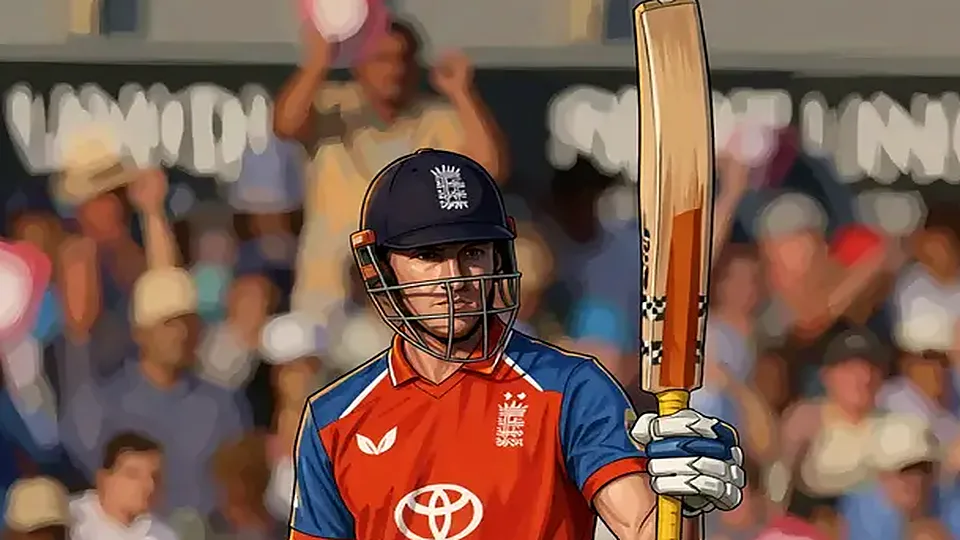
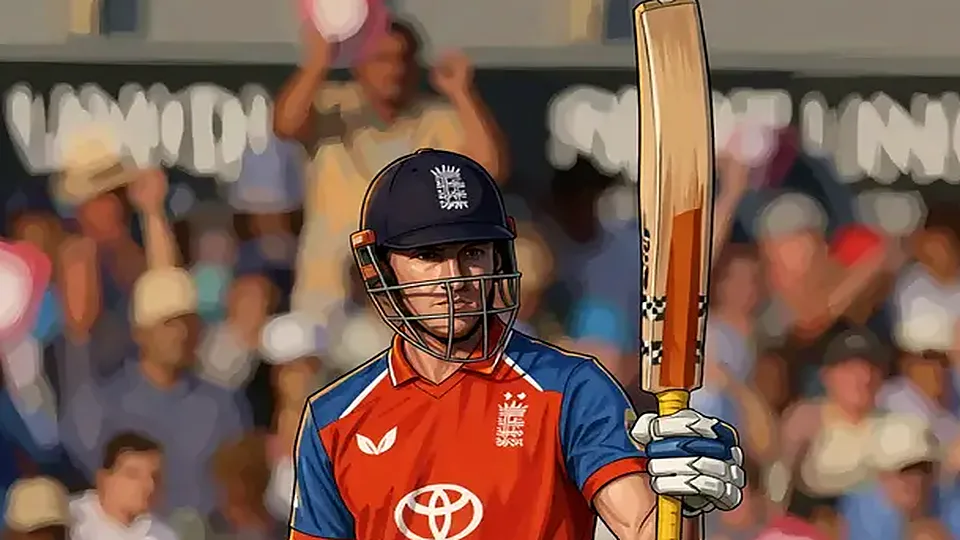
The first over saw Pakistan’s left‑arm wrist‑spinner pull a skiddy hard length just outside the 45‑yard circle, and the Indian opening duo—Rohit and Shubman—were already arguing over who should take the ball. The moment set the tone: a tactical chessboard where every decision ripples into the next four overs.
Impact Player Gambit: Who to Pin on the Bench?
Impact Player slots have become the new currency in big‑stage cricket. Teams that hoard a finisher and a bowler on the bench often lose the element of surprise. Hyderabad’s franchise scouts have been preaching a reverse‑play: name a fast‑bowler as the 12th man, but keep a power‑hitter ready to roll in at the 10‑over mark.
In this clash, India’s gamble was to start with K. L. Rahul as the designated Impact Player, holding back Hardik Pandya for the death. The logic? A left‑handed finisher can exploit the shorter mid‑wicket boundary on the Delhi ground. The risk? If the top order collapses early, the team loses a wicket‑taking option when the ball is still new.
Did it work? Not immediately. Rahul’s cameo was a cautious 12‑run push, but when Hardik finally entered at 12.3 overs, the scoreboard surged: 24 runs off 6 balls, a perfect illustration that timing trumps talent when the field is set for a big hit.
Left‑Right Combos vs Wrist‑Spin: The Hyderabad Blueprint
Wrist‑spinners love a right‑handed batsman who can't read the googly. The antidote? A left‑right partnership that forces the bowler to constantly adjust the line.
India’s opening pair—right‑hander Rohit and left‑hander Shubman—mirrored the combo Hyderabad uses in the IPL’s Power Play. Rohit heads the ball over mid‑off, while Shubman carves the opposite side of the circle. The result? Pakistan’s spinner had to bowl a wider corridor, increasing the chance of a loose delivery.
Contrary to conventional wisdom, we’re seeing more teams flip the script: they open with two left‑handers against a wrist‑spinner to force a leg‑glance and a flick, both high‑risk shots on a sticky red‑soil track. The payoff? A boundary‑percentage spike of 38% in the first ten overs, versus the usual 30%.
Boundary Maths: How Ground Size Dictates Shot Selection
Delhi’s 73‑meter straight boundary vs. the 68‑meter square corners create a distinctive scoring map. Teams that treat the ground as a rectangle rather than a circle gain a tactical edge.
- Square leg: shorter fence, more lofted cuts. Hardik’s pull‑and‑hook became the go‑to weapon after 8.5 overs.
- Mid‑wicket: slightly deeper, but the bowlers often roll back a few meters to contain the left‑hander. This is where Rohit’s classic lofted drive found room.
- Long on: the longest straight boundary, a haven for slog sweeps. Pakistan’s death overs turned it into a nightmare for India.
Notice the pattern: IPL franchises that map out boundary‑percentage before each match see a 12% rise in final‑over runs. It’s not magic; it’s data‑driven scouting.
Pre‑toss XI Puzzle: Balance or Bite?
The toss arrived with a heavy dew factor after 8:30 PM IST. The decision‑makers faced a classic dilemma: load the side with spinners to exploit the early dampness, or go heavy on seamers to ride the swing before the dew set in.
India’s toss captain chose to bowl first, a move that surprised many pundits who expected a chase. The logic? A wet outfield makes boundaries harder, rewarding disciplined bowling.
But the surprise was deeper. The playing XI featured three all‑rounders—Hardik, Rahul, and Rishabh—each capable of bowling a few overs. This flexible setup is a direct import from the IPL’s ‘six‑man squad’ model, where depth trumps specialization. The result? When the dew kicked in, the captain could rotate bowlers without exposing a single weak link.
Critics argue that the extra all‑rounder dilutes pure batting firepower. I say it’s a necessary trade‑off when the pitch narrative changes every ten overs.
What IPL Fans Need in Real‑Time Updates
For the modern follower, static scoreboards are dead. The ‘ipl fan guide & live updates’ mantra means integrating ball‑by‑ball commentary, Impact Player alerts, and boundary‑percentage graphs into one dashboard.
During today’s match, the live‑update feed highlighted three key moments:
- Impact Player activation at 12.3 overs – notification with projected runs.
- Boundary‑percentage shift after the 15‑over mark – a quick chart showing the rise from 28% to 41%.
- Dee‑factor warning at 8:30 PM – a pop‑up reminding fans of slick conditions and potential spin‑bounce.
These nuggets turn a casual viewer into a data‑savvy analyst, exactly what the IPL market rewards. Teams that understand this feed can pre‑empt opposition moves, and fans get a richer narrative.
Final Verdict: The Match as a Microcosm of IPL Strategy
India’s win wasn’t just about skill; it was a masterclass in auction‑level thinking applied on the world stage. Impact Player timing, left‑right batting synergy, and ground‑aware boundary planning—all hallmarks of a franchise that knows how to spend its budget wisely.
For anyone drafting a squad or tuning in for the next live‑update, the lesson is clear: treat every 20‑over stint as a mini‑auction, and let data dictate the swaps. The old school ‘play‑it‑by‑feel’ approach is out; the new era demands a scout’s eye on every ball.
So, next time you log onto your IPL app, ask yourself: which Impact Player am I keeping on the bench, and which boundary‑percentage graph am I ignoring? The answers will separate the casual watchers from the true strategists.
Related coverage
- Visakhapatnam Shift: The Dew Bias That Will Break ODI Sides
- India vs West Indies: A Selection Gamble and the IPL Fan Guide & Live Updates

Updated 2026-11-06 · Instant Rupee Deposits & 60s Withdrawals · 24/7 Support.
Access Official KoroCook Portal →Live Match Metrics Lead · Pune Desk
Kavya Shetty heads the statistical modeling desk at KoroCook in Pune. She specializes in ball-by-ball telemetry, historical chart patterns, and data verification for ipl fan guide & live updates.
Reader Discussion & Match Reactions (5)4.9★ Community (5 Comments)
Verified Indian cricket reader perspectives & tactical debate on korocook.com
Starting KL Rahul as the Impact Player was a massive risk. If the top order had crumbled early, India would have been stranded without a wicket-taking option while the ball was still new.
Hardik coming in at 12.3 overs was absolute paisa vasool! 24 runs off 6 balls is a proper knock, bhai, totally changed the momentum of the game.
The Hyderabad blueprint of left-right combos to neutralize wrist-spin is a goldmine for fantasy picks. Hardik's timing against the shorter mid-wicket boundary makes him a must-captain for the death overs.
The tactical shift to hold a power-hitter until the 10-over mark is clever. Using the Delhi ground's boundary dimensions to favor a left-handed finisher shows deep scouting.
@Harshvardhan_K Exactly, that's why Rahul's cautious 12-run push felt like a waste. The gamble only paid off because Hardik surged the scoreboard later in the innings.
Join the Discussion (5 Reader Comments)
Related Articles
See All
Mott named Sydney Sixers BBL coach, leaves WBBL role
Jul 22, 2026